As a graduate student in Coventry University London doing my MBA, I have had the opportunity to know better what it means to be a true leader and also learnt about the many theories of leadership. None of the theories is superior to the other but knowing the business terrain, the people you work with, the business type and the objective of the business can determine what leadership style is appropriate. From this module, I have come to know what leadership style traits I have and although, I am still at the learning stage but it has been great to be able to know my style.
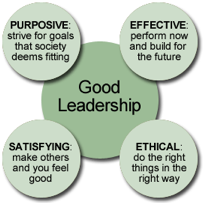
My Leadership Style: Participative or Democratic Style
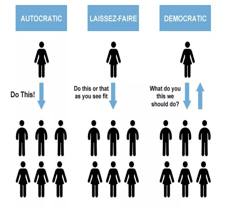
I have shown a democratic leadership style because I believe everyone in my team should be able to make a decision, be consulted, and their opinions appreciated. The democratic leadership style is an open and shared style of running a team. It is also known as participative leadership, a style of leadership where by members of the team take a more participative role in the decision-making process (Ray and Ray, 2012).
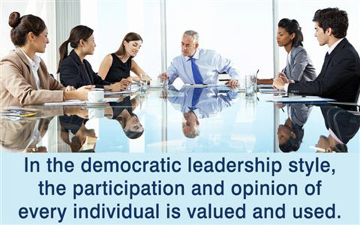
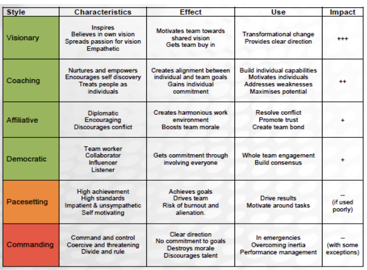
Running a business of my own, democratic leadership style is crucial to my business as I have a team of skilled and creative minds and allowing them to take more participative role in decision-making is a great way to achieve higher productivity, better contributions and increased team morale. I believe in been a facilitator rather than simply issuing orders or commands to my team. The characteristic of a democratic leader includes one who shares decision making with others, a winner of cooperation, a provider of logical consequences, encouraging, approving of self-determination, guiding, a good listener and respecting, and situation-centered (Choi, 2007).
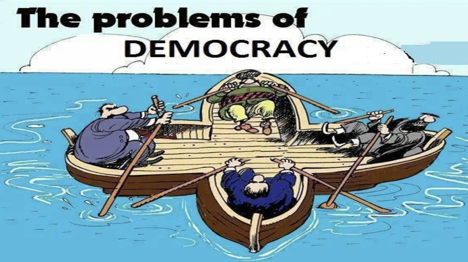
The advantages of democratic leadership comes from increased involvement of the team members. Team members feels included and have a say and hence, job satisfaction is increased, it increases commitment levels, innovation flourish because everyone is able to share ideas, and creates a robust vision (Martin, 2016). This style also has some drawbacks such as loss of speed in decision-making and some team members might find the requirement to participate in decision-making process burdensome (Martin, 2016).
Feedback from my Team Members

Working my team for this module, I have received some feedbacks which are significant to my growth as an individual and for my business. Some positive feedbacks I got ‘ you seek to involve everyone in the group activities rather than concentrate it’, ‘ I love that you ask us to take on responsibilities’, ‘ I like the way you allow everyone share their opinion without criticism’. A team member also said ‘your style is time consuming because you allow for debate and participation of everyone’. All of these feedbacks are essential to my growth and I believe it is part of been great leader. Democratic leadership is associated with public values, freedom, equality, and justice (Choi, 2007), so I believe giving everyone an opportunity to contribute is my way of striving toward equality and freedom.
My Future Development Plan

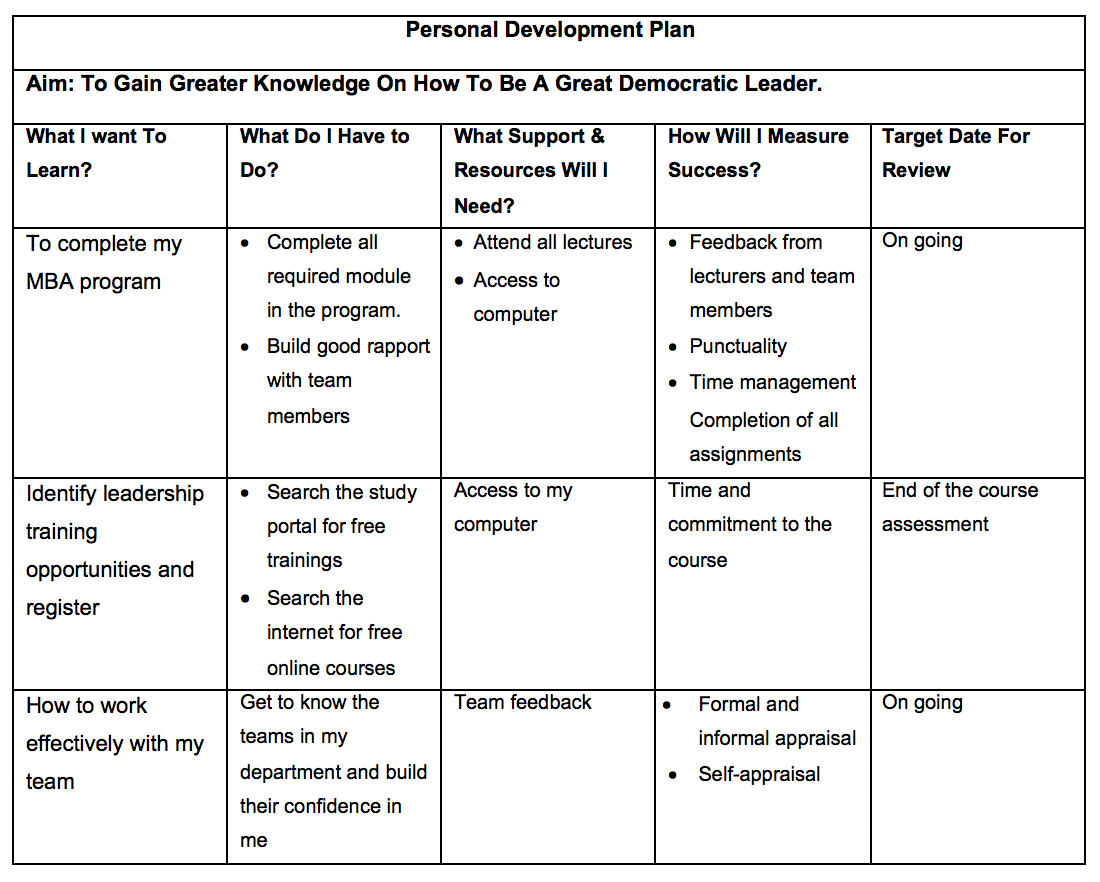
To be a good leader, the qualities and credentials needed are good education, ideas and power. As an MBA student, I have the primal qualification of good education from Coventry University London. I am still at the learning stage, I don’t know it all to effectively function as a good leader but just as John Maxwell said ‘ Leadership is Influence- nothing more, nothing less’. I am determined to influence my team positively in every way possible. For me to influence those around me, I need to grow my sense of self-responsibility, trust and self-confidence. Therefore, applying all the theories I have learnt in this module will help me design the future I need to be an effective and great leader. Below is my personal development plan that will help me achieve my aim to be an effective leader in the future.
Reference
Choi, S. 2007. Democratic Leadership: The Lessons of Exemplary Models for Democratic Governance. International Journal of Leadership Studies, 2(3), pp.243-262.
Martin. 2016. Democratic Leadership Guide: Definition, Qualities, Pros & Cons, Examples. [online] Cleverism. Available at: https://www.cleverism.com/democratic-leadership-guide/ [Accessed 16 Jul. 2019].
Ray, S. and Ray, I. 2012. Understanding Democratic Leadership: Some Key Issues And Perception With Reference To India’s Freedom Movement. Afro Asian Journal of Social Sciences, 3(3.1).
Schrage, M. (2016) ‘Like It or Not, You Are Always Leading by Example’ Harvard Business Review [online] October 05, 2016. Available from < https://hbr.org/2016/10/like-it-or-not-you-are-always-leading-by-example> [20 Jul. 2019]
 Egbe Peter's Blog